You can enjoy the sport without entering a tournament
You can train Jiu-Jitsu without competing and still take your practice seriously. Learning something difficult, getting regular exercise, and spending time with people you enjoy are worthwhile reasons to attend. A tournament can provide a goal for someone who wants one, but it does not have to become yours.
If you are considering MA BJJ Flower Mound (Marcus Antelante BJJ Academy), tell the team what interests you about training. Perhaps you want an activity that holds your attention better than another evening at the gym. Three things can give your practice direction: personal goals, clear expectations for partner work, and positive relationships with the people you train with.
DISCOVER MA BJJ Flower Mound (Marcus Antelante BJJ Academy)
CLICK HERE1. Give Jiu-Jitsu without competing a personal purpose
Without a tournament date, you have more freedom to decide what makes training worthwhile. That does not mean arriving without any direction. Choose a goal you can recognize in an ordinary class: following the explanation more clearly, asking a useful question, or becoming more comfortable practicing with different partners.
These goals make a difference because improvement is often easier to notice in specific moments than in a general feeling of being “good.” You might need less help remembering an exercise than you did last month. You might understand a correction that previously confused you. Neither change requires a medal to count.
The appeal of adult Brazilian Jiu-Jitsu also extends beyond learning the movements. Having an activity you look forward to can give a place to exercise and social time in your week. Pay attention to which parts of class make you want to come back.
2. Set clear expectations for partner practice
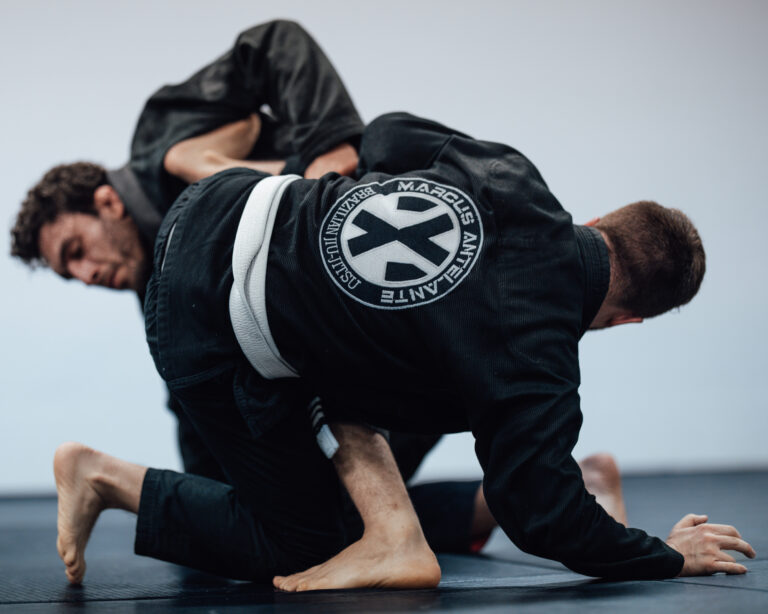
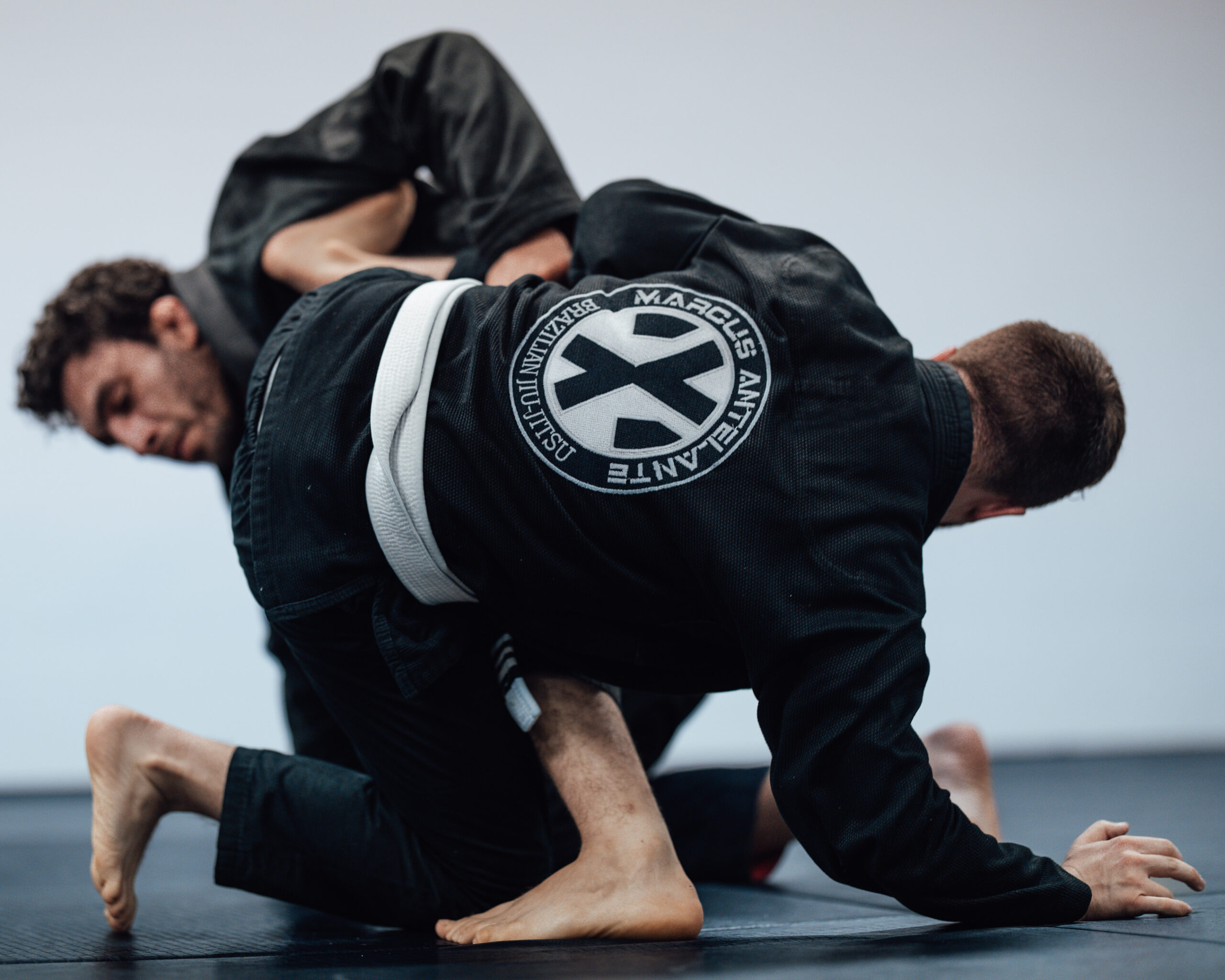
A class can include challenging partner practice without being preparation for an upcoming event. Trying what you have learned with another person is part of the activity. Entering a tournament adds a separate setting, an opponent outside your usual class, and an organized result.
Challenge does not have to become a scoreboard
You may enjoy the effort of a difficult round and still have no interest in brackets or podiums. Those preferences fit together. The important distinction is what you expect from practice: an opportunity to learn with someone, rather than a result you must defend every time.
There is a reason preparation for a Jiu-Jitsu tournament has its own demands. Ask the instructor which current classes suit your experience and goals. You do not need to choose a competition-focused session simply because you want to improve.
Be clear about the kind of practice you need
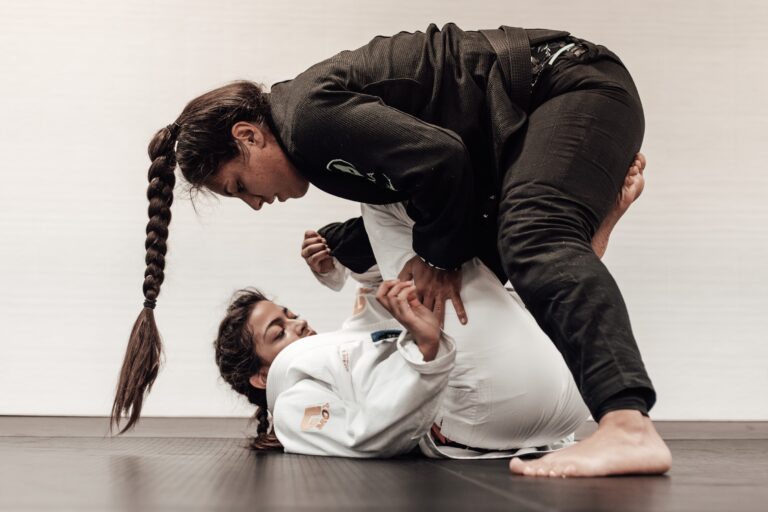
Tell your instructor that you want to train Jiu-Jitsu without competing and ask how to approach partner work. Before a round, communicate relevant concerns and the pace you are comfortable starting with. If something becomes unclear or uncomfortable, speak up rather than trying to prove that you belong.
That conversation also helps when a partner is preparing for a competition. Their immediate goal may differ from yours, and the instructor can help you find an appropriate way to practice together. Shared expectations work better than guessing what the other person wants.
3. Build positive relationships with training partners
You can contribute to a training community without representing it in a tournament. Arriving prepared, listening during instruction, and giving a partner time to learn all make class better. These ordinary habits matter to the people who spend their training time with you.
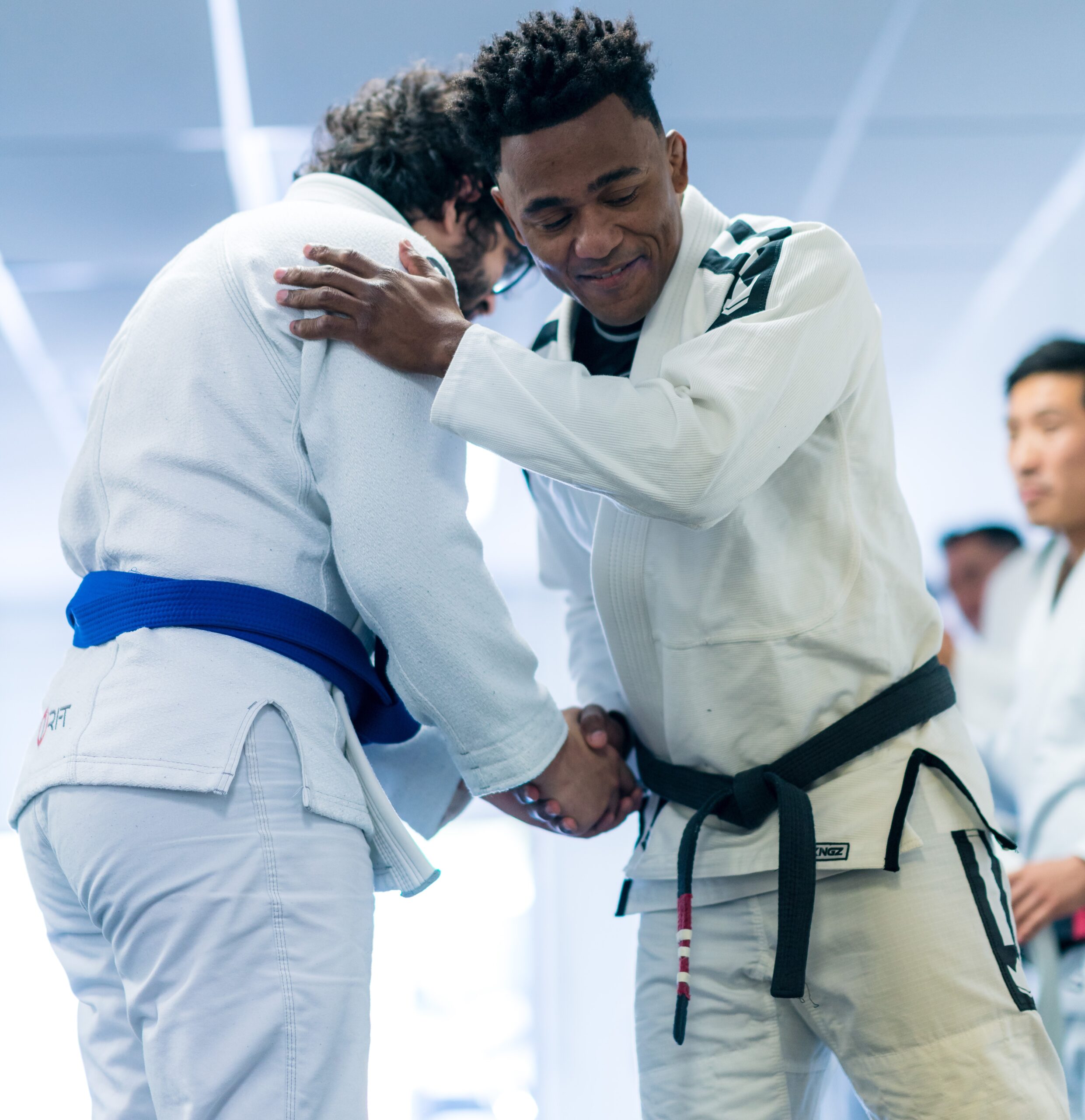
At MA BJJ Flower Mound (Marcus Antelante BJJ Academy), the same respectful habits on the mats apply whether someone competes or attends as a hobby. Care for your equipment, respect instructions, and thank the people you practice with. Your goals do not need to match for you to be good training partners.
Conversations can grow from that shared time. Remembering a name, asking how someone’s week went, or congratulating them on something they worked toward gives you ways to connect. You can enjoy a teammate’s tournament story without feeling that you owe the group an entry of your own.
Choose goals that fit the life you actually have
Start with a schedule you can reasonably keep alongside work and family. Ask which sessions are suitable, then decide how they fit your week. Choosing something enjoyable that matches your abilities also supports making physical activity part of your routine. A plan that repeatedly requires canceling other responsibilities may need adjusting, even if it looks impressive on paper.
Use feedback without turning every class into a test
Ask your instructor what would be useful to focus on next. You can take that feedback seriously without grading yourself after every session. Some days you will need a reminder; other days something familiar will make more sense. Look for changes across several classes.
Rank can be another source of motivation, but it should not become a deadline you invent for yourself. Understanding the Jiu-Jitsu belt progression system can put those milestones in context. Discuss expectations with your instructor rather than measuring your progress against someone whose experience and schedule differ from yours.

Give your first month a simple purpose
For a newcomer, the first month can be about discovering whether you enjoy the practice and can make room for it. Before attending, clarify what to expect at your first class. Then focus on learning the routine, meeting people, and understanding the instructions you receive.
After a few visits, consider what you want more of: the learning, the physical challenge, or the company. Use that answer when discussing your next steps with the instructor. Your reasons may develop as you gain experience, and you do not need to decide your entire future in the sport before starting.
DISCOVER MA BJJ Flower Mound (Marcus Antelante BJJ Academy)
CLICK HEREA worthwhile hobby does not need a podium
Jiu-Jitsu without competing can be an ongoing part of your life because you enjoy doing it. Personal goals give you direction, clear expectations make partner work more useful, and positive relationships give you people to share the experience with. Competition remains an option if your interests change.
When you speak with MA BJJ Flower Mound (Marcus Antelante BJJ Academy), explain what you hope to get from class and ask where to begin. A clear starting point and an honest conversation about your goals are enough to take the next step.