Why Positional Awareness Matters From Your First Class
Stepping onto the mat for the first time feels much clearer when you understand where your body belongs. New students in Flower Mound, Texas quickly discover that Brazilian Jiu-Jitsu operates like physical chess rather than chaotic grappling. Knowing the core landmarks on the ground prevents panic and builds immediate confidence.
Furthermore, learning ten foundational positions gives every newcomer a practical roadmap for defense and control. Instead of relying on brute force, you learn how posture and leverage solve physical problems. Exploring beginner-friendly Jiu-Jitsu programs introduces these core positions systematically from day one.
DISCOVER MA BJJ FLOWER MOUND
CLICK HEREFive Dominant Top Positions for Control and Stability
The five primary top positions for beginners are standing clinch control, side control, knee-on-belly, full mount, and back control. Each position uses gravity, hip alignment, and chest pressure to limit your partner's mobility while keeping your own base balanced and safe.
1. Standing Clinch, 2. Side Control, and 3. Knee-on-Belly
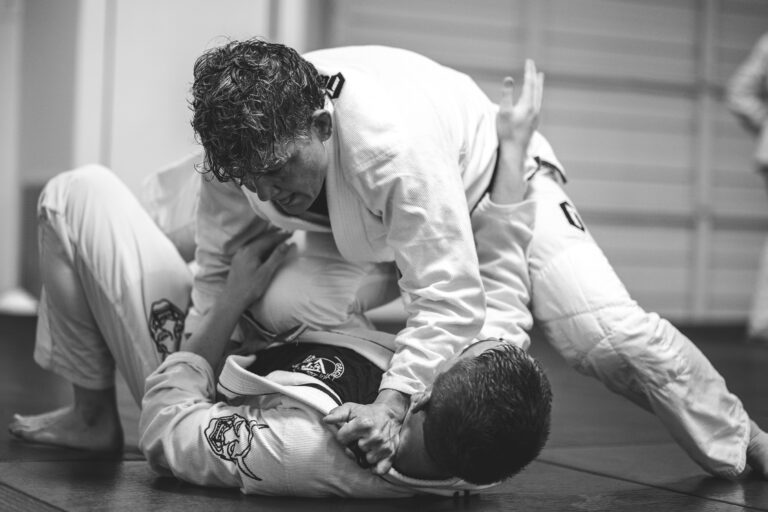
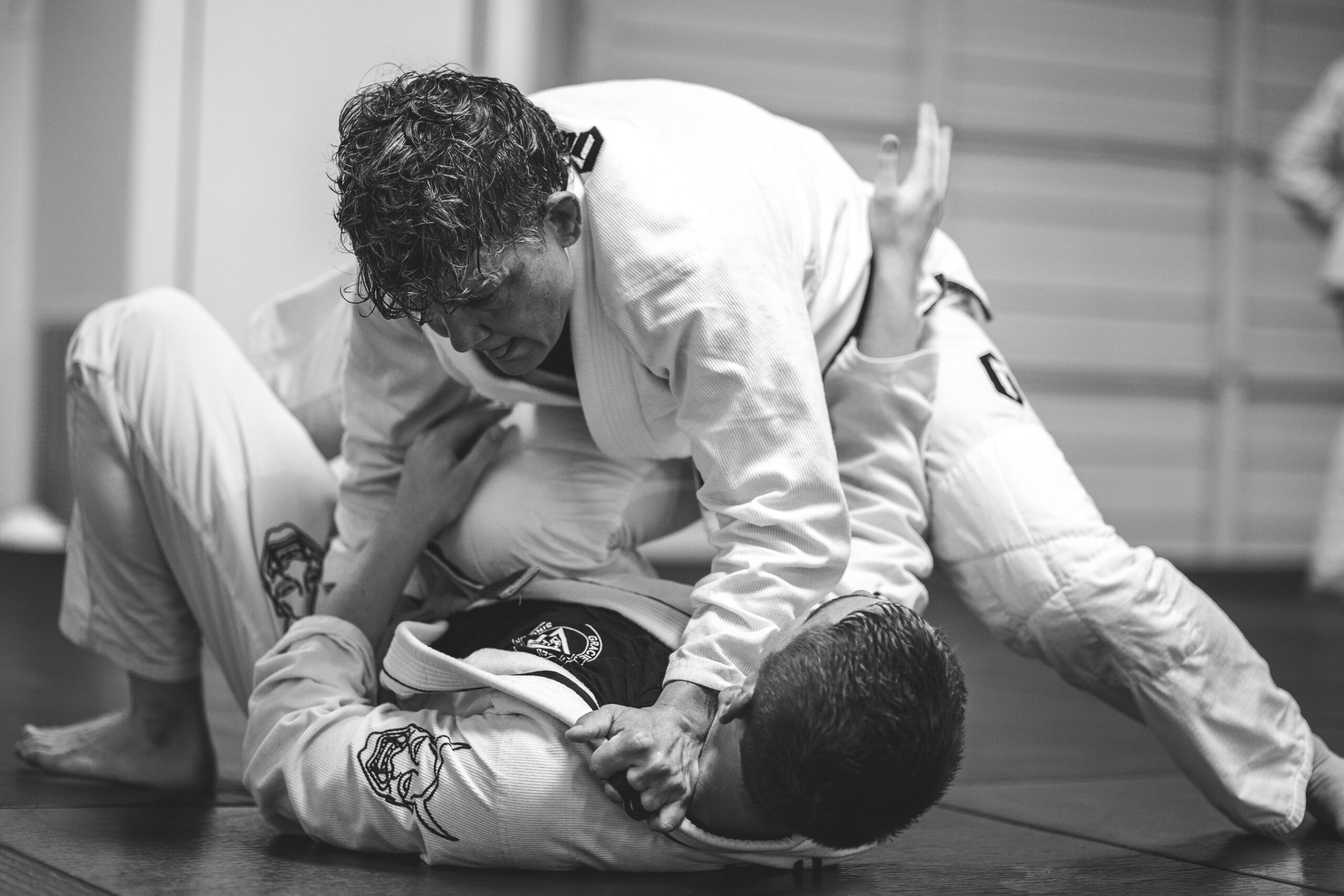
Every exchange starts on the feet, where inside collar ties and underhook control prevent sudden takedowns. Once on the mat, side control pins an opponent perpendicular to your chest using heavy shoulder pressure and strong side control retention. Transitioning to knee-on-belly places one shin across their abdomen for rapid mobility.
Moreover, switching smoothly between these pins teaches beginners how to distribute body weight without exhausting arm strength. Checking our weekly class schedule helps new students drill these exact top transitions consistently until balance becomes automatic.
4. Full Mount and 5. Back Control
Advancing to the full mount places your hips directly over your opponent's torso, isolating their elbows for a cross-collar choke or straight armbar. Finally, back control represents the highest-scoring position, where inserting both hooks in back control and locking a seatbelt grip completely eliminates opponent counterattacks.
Consequently, mastering top control gives newcomers stability before chasing risky submissions. Reading foundational grappling articles reinforces why maintaining heavy hip pressure and clean alignment always comes before attempting a finish.
Five Foundational Guard and Defensive Positions
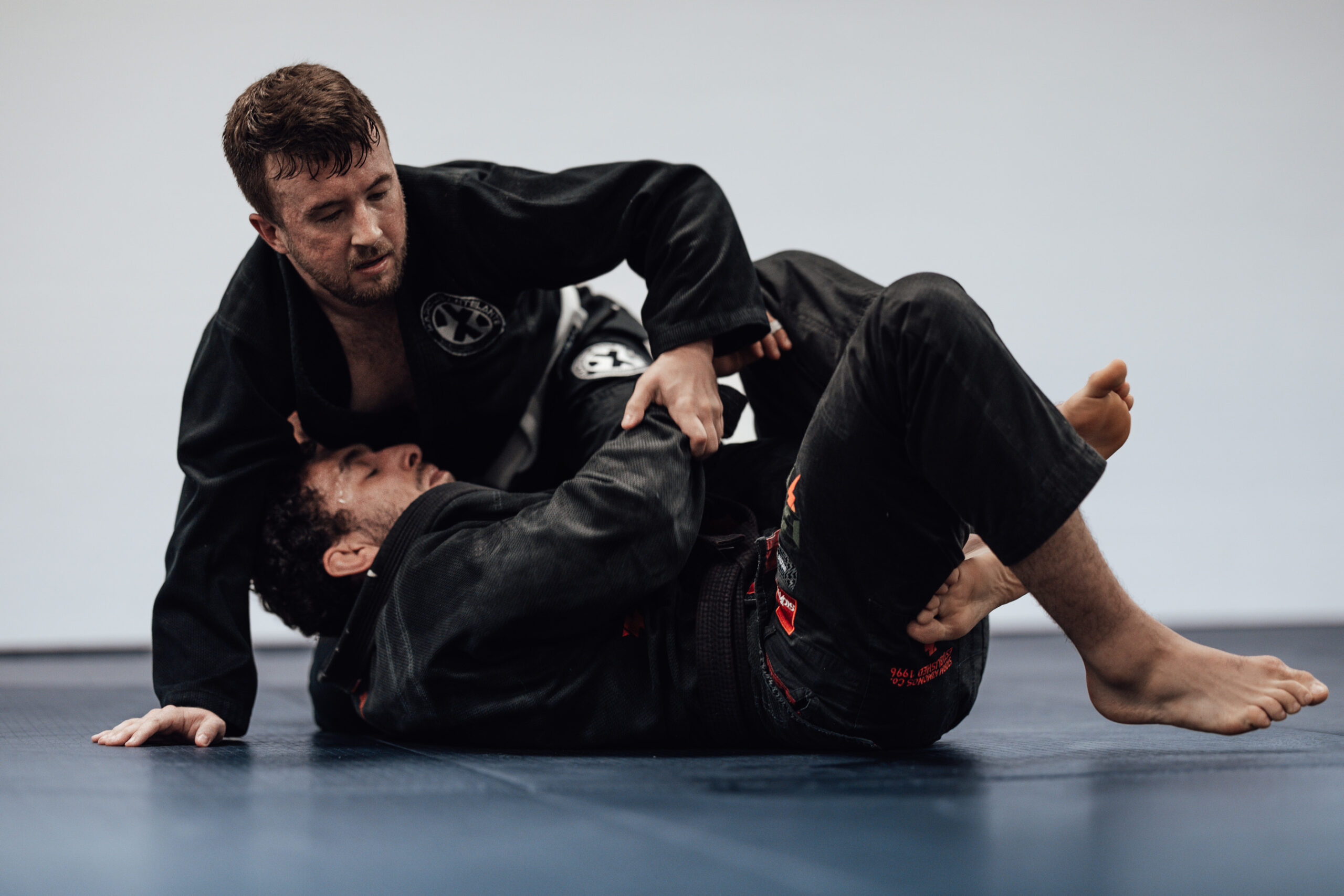
The five essential bottom and defensive positions are closed guard, open guard, half guard, turtle position, and technical base recovery. These positions allow you to protect your neck and arms using skeletal frames while creating angles to sweep heavier training partners.
6. Closed Guard, 7. Open Guard, and 8. Half Guard
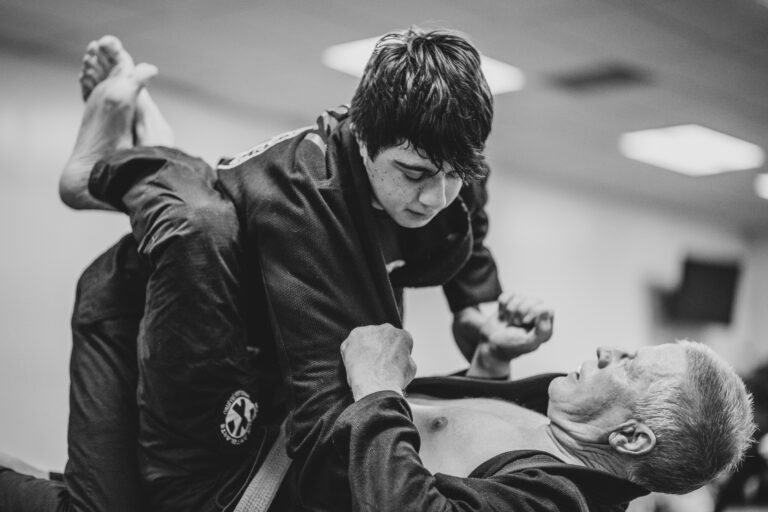
In the closed guard, wrapping your legs around your partner's waist lets you break their closed guard posture with collar grips and threaten a scissor sweep. When they stand, open guard uses active feet on their hips for a tripod sweep, while half guard traps one leg to stop passes.
Additionally, using framing with the forearms against their clavicle and hips creates vital space for crisp hip escape shrimping and half guard recovery. Training under experienced martial arts leadership ensures you build strong defensive mechanics early.
9. Turtle Position and 10. Technical Base Recovery
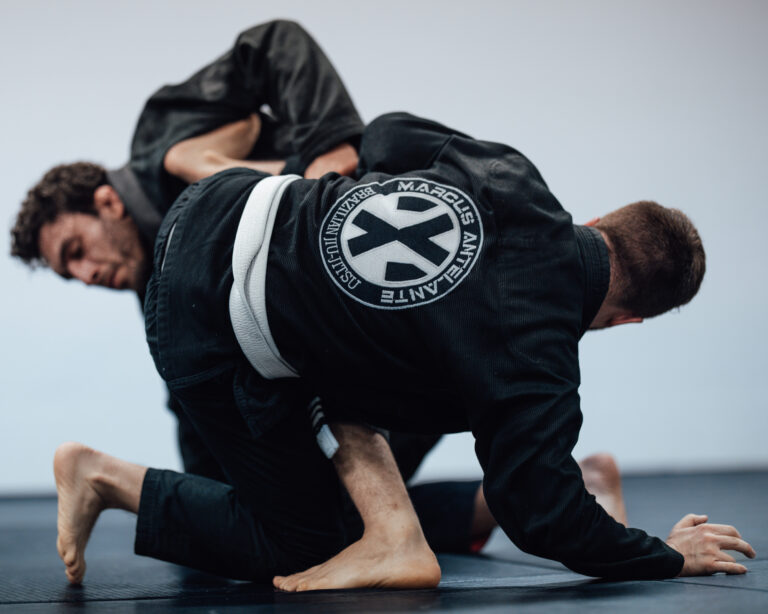
When a guard pass nearly succeeds, rolling briefly to the turtle position keeps your elbows tucked tight against your ribs to block hooks and chokes. From there, executing a bridge and roll upa from mount or standing in technical base recovery restores safe posture cleanly.
Above all, highly trained instructors remind beginners to manage grip fatigue, maintain calm nasal breathing during live rolling, and tap early and tap often. Consult a healthcare professional regarding any prior injuries, and reach out to our coaching team with any questions.
How Drilling All Ten Positions Builds Lasting Mat Confidence
Connecting these ten positions turns overwhelming sparring rounds into predictable, manageable sequences. Instead of panicking underneath heavy weight, beginners recognize exact landmarks like underhooks, knee shields, and collar frames. Each class sharpens your timing, core coordination, and calm problem-solving under physical pressure.
In addition, consistent positional drilling protects your joints because you rely on skeletal alignment rather than exhausting squeezes. Over weeks of steady practice, transitions from defensive half guard recovery to dominant mount control feel natural and controlled for every body type.
DISCOVER MA BJJ FLOWER MOUND
CLICK HEREAt MA BJJ Flower Mound, our highly trained instructors teach every foundational position with clarity, patience, and strict attention to safety. Beginners never feel rushed into advanced techniques before understanding basic frames, posture, and weight distribution on the mats.
We warmly welcome adults, teens, and families across Flower Mound, Highland Village, and Lewisville to experience our supportive training community. Step onto the mats with us, learn how leverage works for any size, and schedule your free introductory class today.