Understanding the Positional Hierarchy in Brazilian Jiu-Jitsu
Grappling success depends far more on anatomical control than raw muscular strength. Students training in Flower Mound, Texas quickly discover that Brazilian Jiu-Jitsu operates through a clear positional hierarchy. Mastering dominant positions allows a smaller practitioner to neutralize heavier opponents safely while dictating the pace of every exchange.
Furthermore, each position serves a specific tactical purpose on the ground. Practitioners learn how to advance systematically from defensive postures to high-percentage control points before attacking submissions. Exploring structured Brazilian Jiu-Jitsu programs builds this foundational understanding from your very first day on the mats.
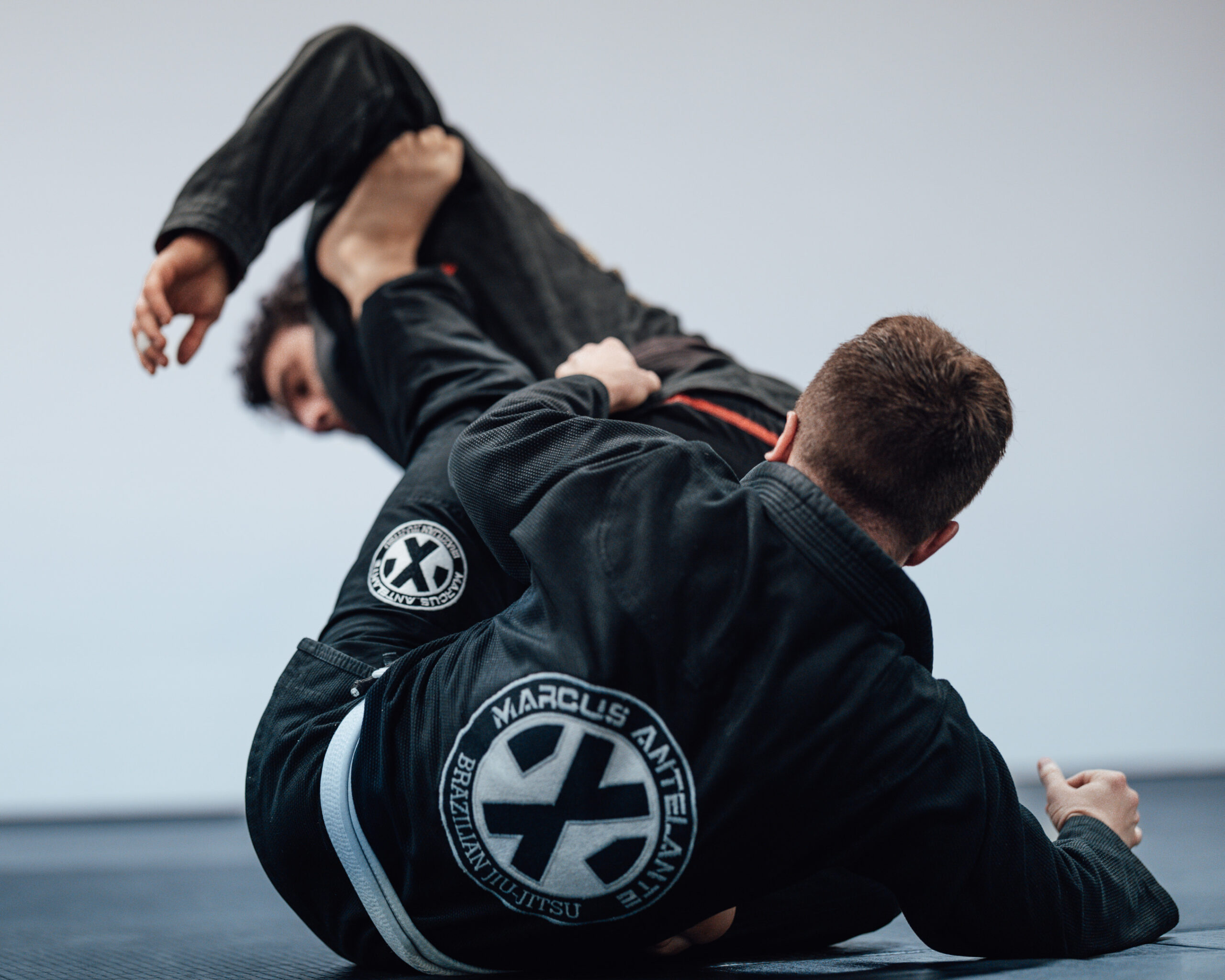
DISCOVER MA BJJ FLOWER MOUND
CLICK HEREThe Top Three Dominant Positions for Maximum Control
The three most effective offensive positions in Brazilian Jiu-Jitsu are back control, the full mount, and side control. These dominant positions align your center of gravity directly against your opponent's weakest anatomical angles. Consequently, they restrict explosive hip movement while opening clear pathways to high-percentage chokes and joint locks.
Back Control and Rear Attack Mechanics
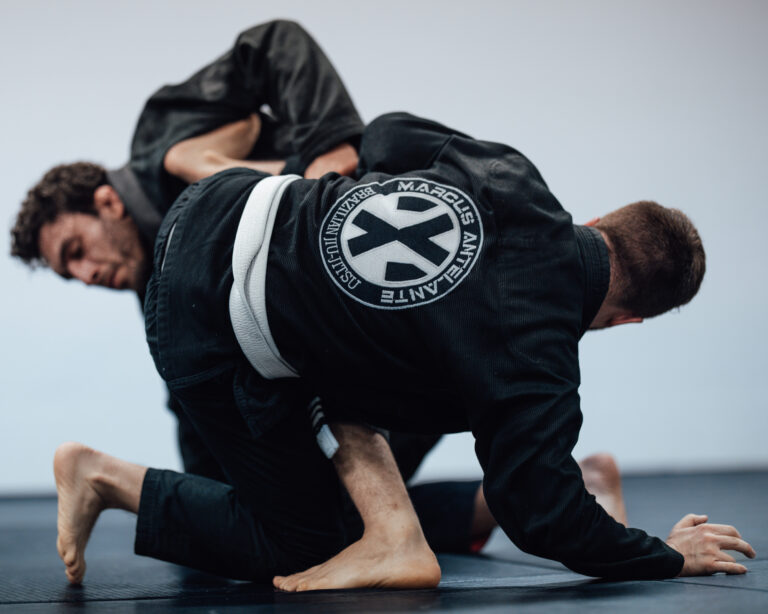
Back control represents the single highest-scoring position in grappling because your opponent cannot see or counterattack effectively. You secure this position by inserting both heels inside their thighs, known as hooks in back control, while locking a tight seatbelt grip across their chest and under one arm.
From this dominant angle, your chest glues directly to their upper back to prevent spinal rotation and escape attempts. Additionally, you threaten devastating finishes like the rear naked choke and the bow and arrow choke. Reading practical Jiu-Jitsu training articles helps newcomers understand how control always precedes finishing mechanics.
Full Mount and Side Control Pressure
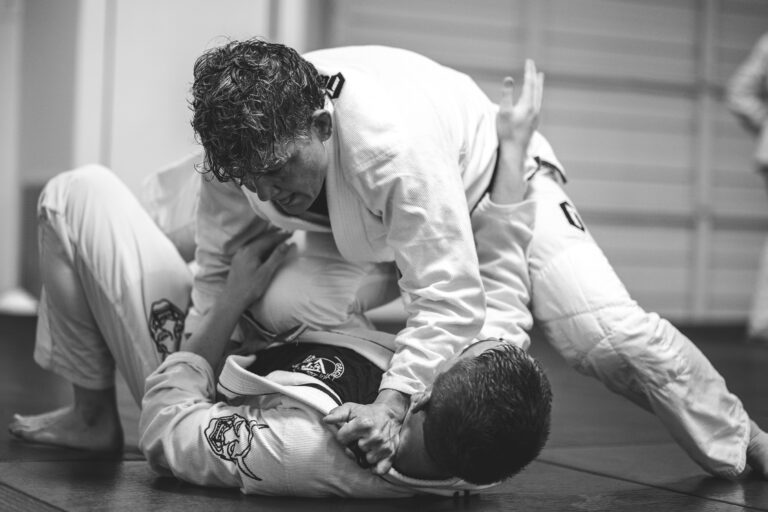
The full mount places your entire torso weight directly over your opponent's hips and lower ribs. By sliding your knees high into their armpits for a high mount, you isolate their elbows away from their body. This biomechanical separation removes their defensive frames and sets up the cross-collar choke or straight armbar.
Similarly, side control pins an opponent perpendicular to your chest using heavy shoulder pressure called a crossface. You combine that crossface with firm underhook control and active hip blocking for reliable side control retention. Consistent attendance on our daily training schedule sharpens the weight distribution needed to maintain this top pressure.
Effective Bottom Guards and Safe Mat Execution
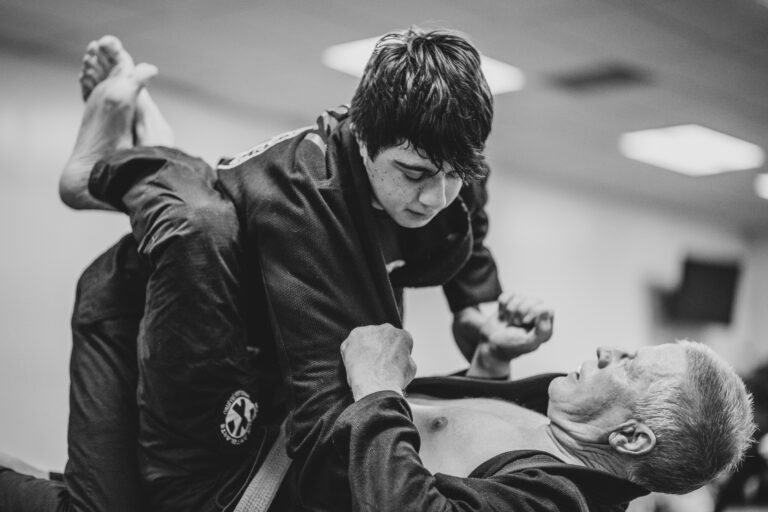
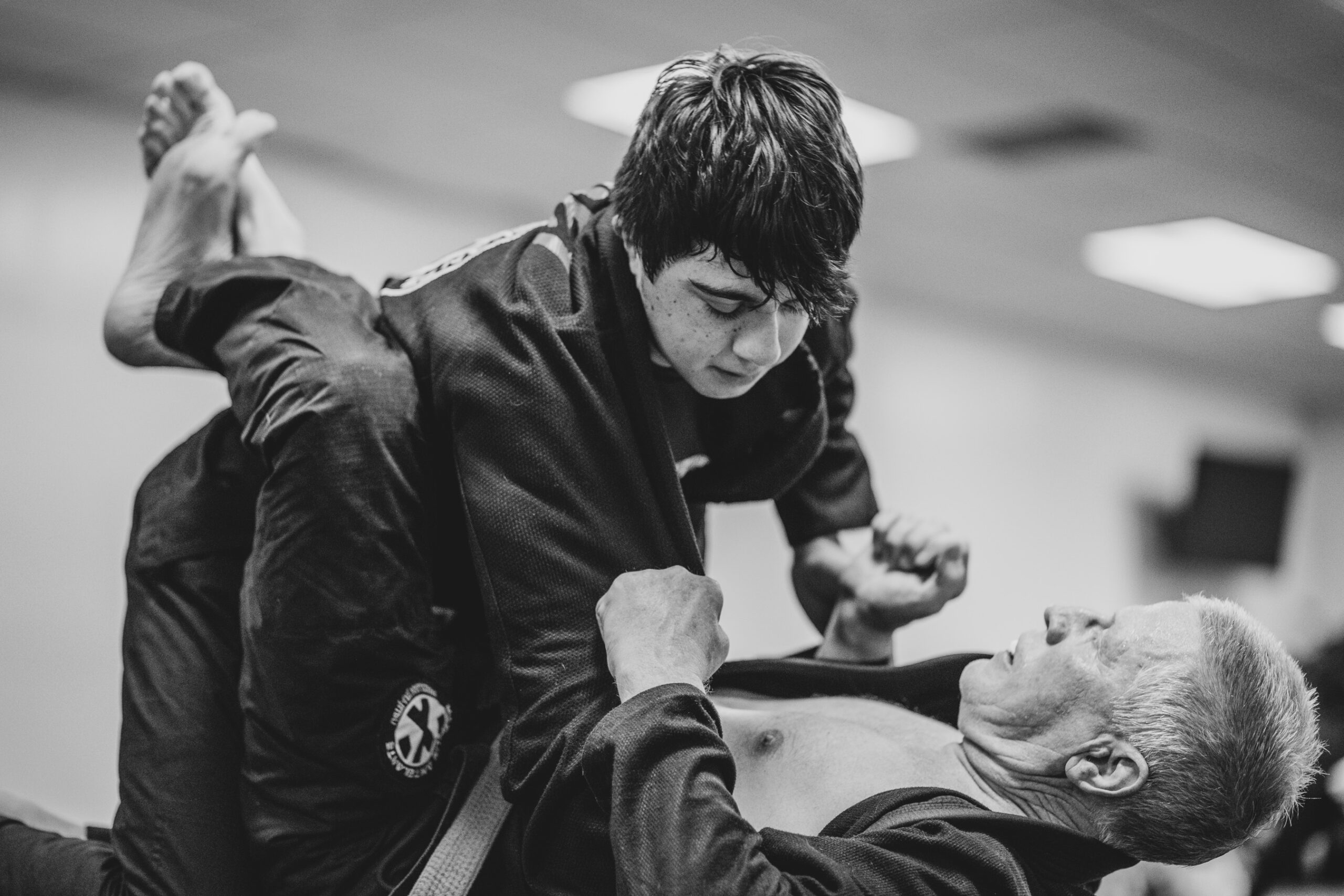
Being on your back does not mean losing a grappling exchange when you utilize an active guard. Positions like the closed guard and half guard allow bottom practitioners to off-balance top opponents using leg leverage. As a result, you can execute sweeps or apply submissions from underneath.
Closed Guard Posture and Hip Escapes
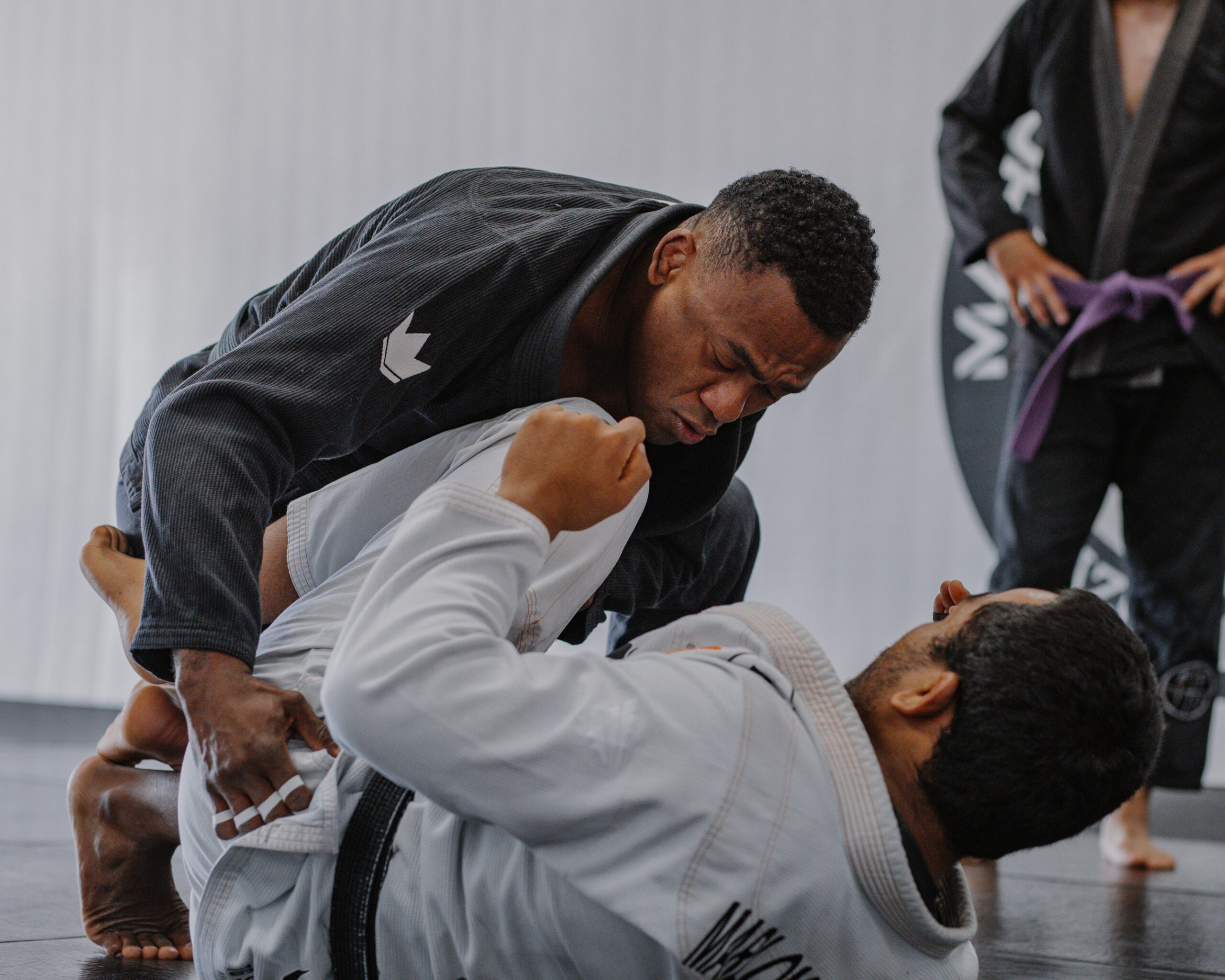
In the closed guard, you wrap your legs around your opponent's waist and lock your ankles firmly together. Breaking their upright closed guard posture with collar and sleeve grips disrupts their spinal alignment and neutralizes their weight. From here, you create angles for a scissor sweep, tripod sweep, or tight triangle choke.
When top pressure becomes heavy, framing with the forearms against their clavicle and hips creates vital breathing room without burning out your arms. Next, you execute a crisp hip escape, often called shrimping, to achieve half guard recovery with a protective knee shield. Learning under experienced martial arts leadership ensures these defensive mechanics become instinctive.
Grip Fatigue Management and Safe Training Habits
During live rolling, squeezing collars with maximum tension quickly causes severe grip fatigue in your forearms. Instead, highly trained instructors teach students to relax their hands until executing an intentional sweep or kimura transition. Maintaining a steady nasal breathing cadence also keeps your mind calm and analytical under heavy side control.
Above all, positional mastery requires respecting joint locks and choking mechanics with immediate awareness. Always tap early and tap often whenever a training partner secures a clean submission hold. If you have preexisting joint pain or past injuries, consult a healthcare professional before starting, and connect with our coaching staff for tailored guidance.
Long-Term Growth Through Positional Mastery
Focusing on positional control rather than rushed submissions builds sustainable confidence and lifelong physical resilience. Every bridge and roll escape, known as an upa, sharpens your timing when reversing a mounted opponent. Over time, these precise biomechanical habits improve your balance, core stability, and composure under daily stress.
Moreover, drilling transitions between side control, mount, and back control develops fluid body awareness that transfers to every physical activity. Practitioners learn to solve complex spatial problems calmly rather than reacting with panic. This methodical approach turns every training session into measurable progress regardless of age or athletic background.
DISCOVER MA BJJ FLOWER MOUND
CLICK HEREAt MA BJJ Flower Mound, our highly trained instructors emphasize clean fundamentals, mutual respect, and safe progression for every student. Whether you want practical self-defense skills, structured fitness, or technical mastery, our welcoming training room supports your personal goals at every belt rank.
We invite individuals and families across Flower Mound, Highland Village, and Lewisville to experience our supportive training culture firsthand. Step onto the mats with us, learn how leverage overcomes size, and schedule your free introductory class at our academy today.